Sep 1, 2026C&I Energy Storage
32kWh vs 144kWh vs 215kWh Storage: What Changes the Answer?
Compare 32kWh, 144kWh and 215kWh storage projects by load profile, site, power requirement, thermal strategy, controls and project responsibility.
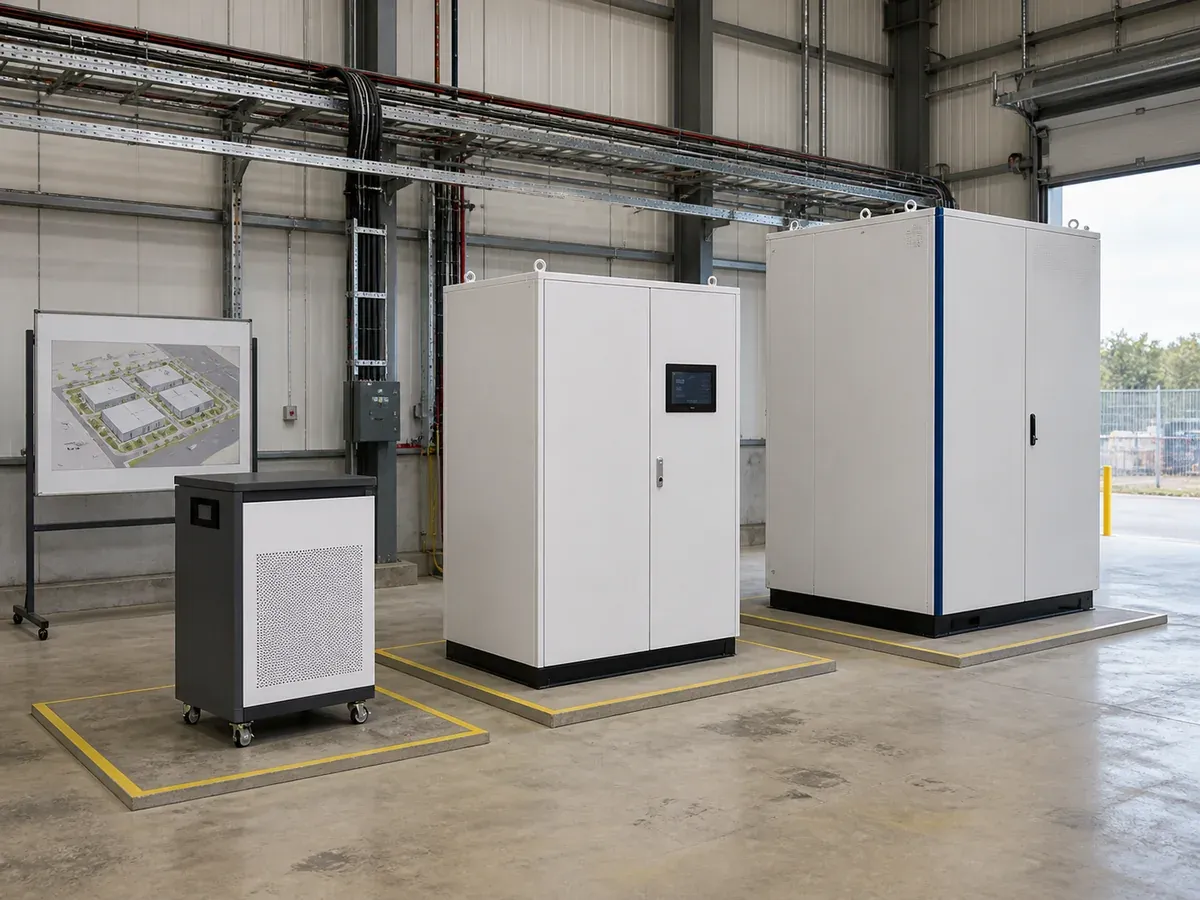
Comparing 32kWh, 144kWh and 215kWh systems by capacity alone is like choosing a truck by fuel-tank size. Useful, yes. Sufficient, no.
Each capacity can serve different projects, but the boundary moves with power demand, duration, thermal conditions, controls and the site’s tolerance for complexity.
32kWh: the boundary project
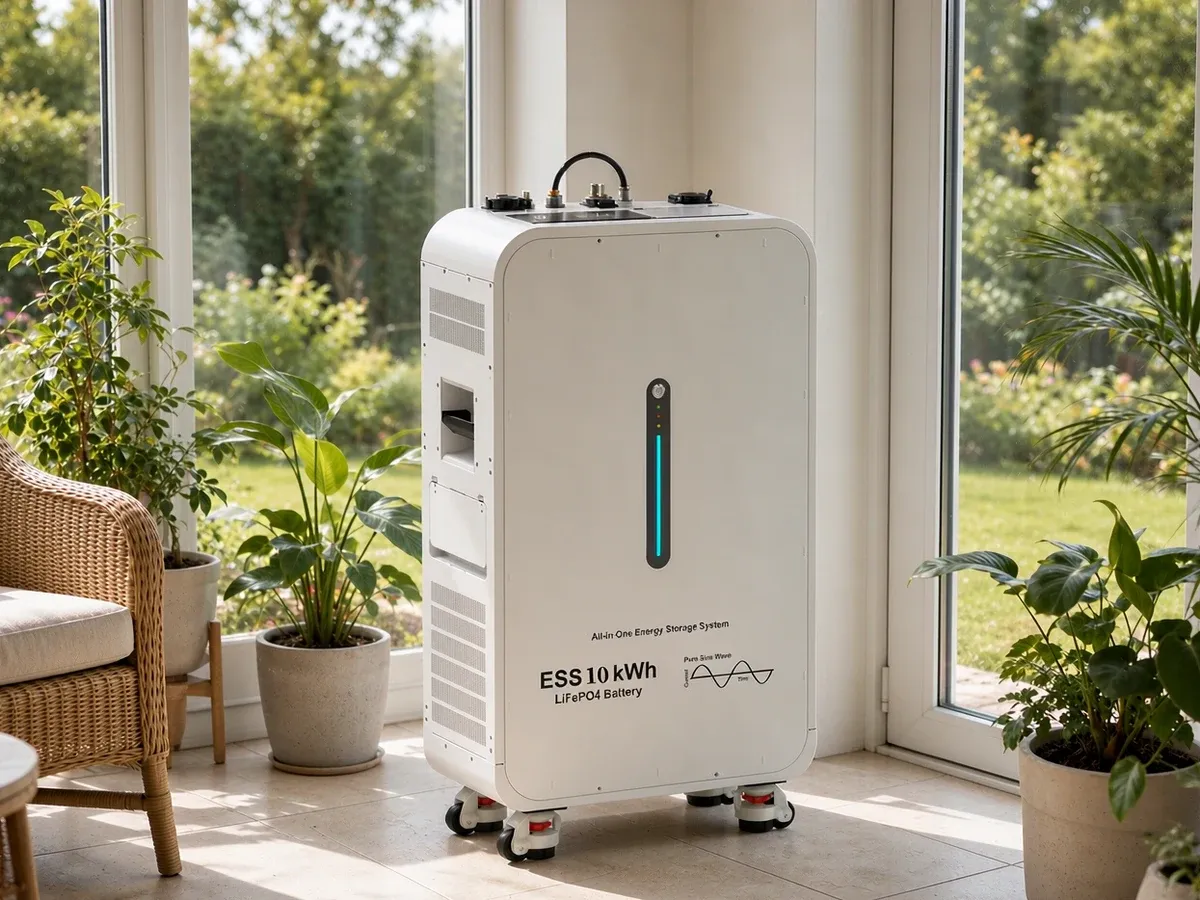
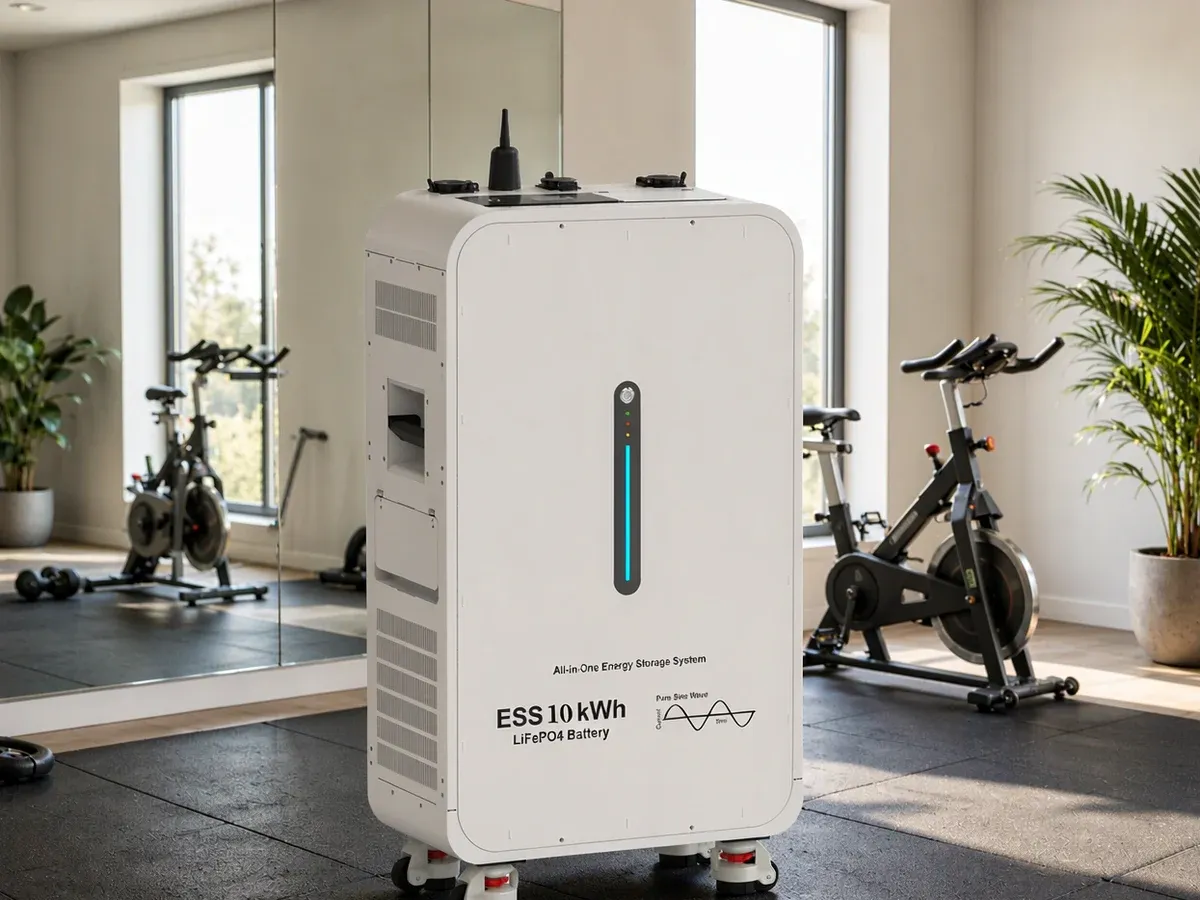
This size can be discussed for larger homes and light-commercial loads. It suits projects that need more energy than common residential systems but may not require a larger outdoor C&I cabinet. Do not infer its power rating from capacity; use the current datasheet.
144kWh: the commercial project conversation
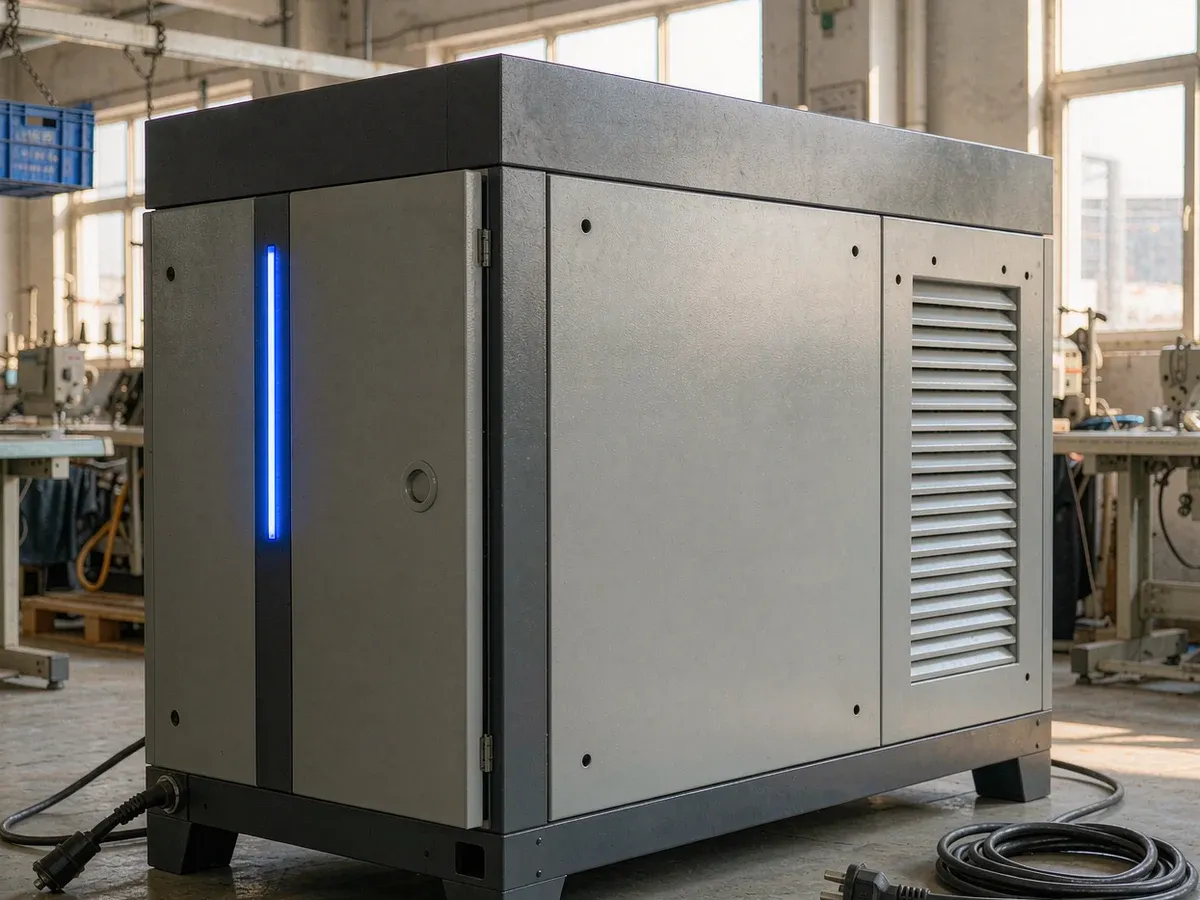
A liquid-cooled 144kWh cabinet can enter peak management, backup support and microgrid discussions. The proposal needs interval data, site preparation, electrical interfaces, controls, environmental conditions and local requirements.
215kWh: the industrial data conversation
A 215kWh cabinet may suit larger peak-management, backup or microgrid projects. Factory interval data, peak duration, recharge strategy, switchgear, transformer and point-of-connection information become central.
The comparison table buyers actually need
Primary question: selected-load continuity / commercial operating objective / industrial load and tariff objective.
Data depth: appliance list / interval load profile / detailed interval data plus electrical studies.
Site work: residential or light-commercial placement / prepared C&I equipment area / industrial integration and protection plan.
Controls: basic backup priorities / EMS and meter strategy / plant-level coordination and fail-safe behavior.
The power requirement can reverse the choice
A site may need high power for a short event or modest power for a long event. Energy capacity alone cannot distinguish them. Confirm continuous and surge requirements, usable energy, discharge duration and the exact proposed configuration.
Thermal management is a project input
Ambient temperature, ventilation, dust, humidity, altitude and service access influence product selection. Liquid cooling is not a permission slip to ignore the site.
What to send before asking “Which one?”
Provide the objective, interval data, critical-load list, required duration, voltage and phase, one-line diagram, transformer data, site layout, ambient conditions, tariff, destination market and project schedule.
The useful conclusion
32kWh, 144kWh and 215kWh are not good-better-best steps. They are different project starting points. The correct answer appears when the load curve and site plan join the meeting.