01 / UPS Power1
UPS Power
The UPS rated power defines its design scope. State the actual critical load separately so discharge demand can be reviewed.
Rated power / Load profile
UPS & CRITICAL POWER
Configure the battery system around UPS power, DC bus voltage and required runtime, then confirm charging parameters, communication and installation requirements.
Send your UPS model, rated power, DC bus voltage and required backup time. Compatibility is reviewed against charging parameters, critical load and communication requirements before configuration is confirmed.
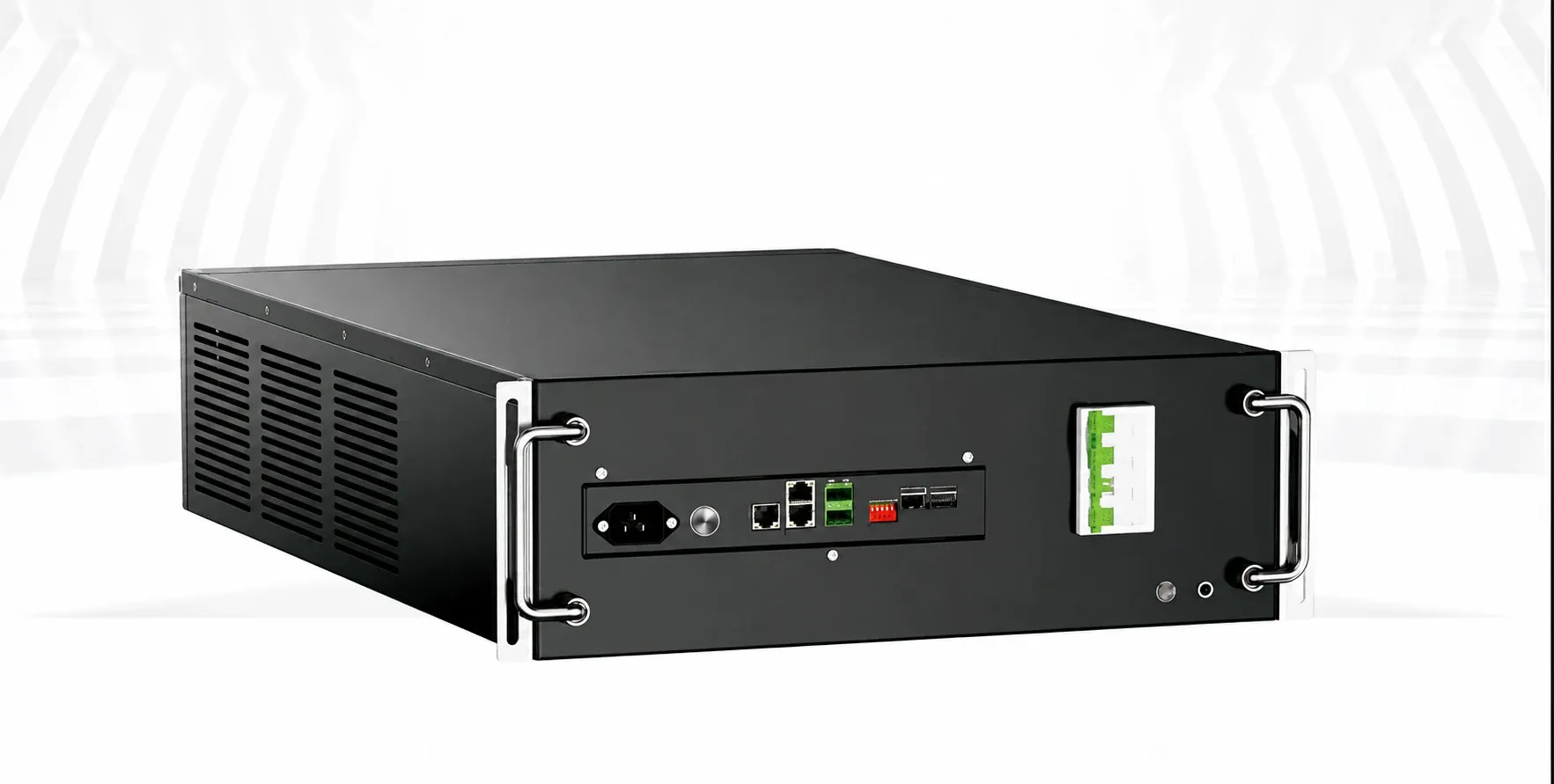
LiFePO4 rack and cabinet platforms for reviewed UPS integration.
LinkPower lithium battery systems for UPS and critical power applications
CONFIGURE A SYSTEM
UPS CONFIGURATION GUIDE
Start with four inputs: UPS brand/model, UPS rated power, DC bus voltage, and required backup time. Charging parameters, critical load and communication requirements are then reviewed before a final configuration is confirmed.
The UPS rated power defines its design scope. State the actual critical load separately so discharge demand can be reviewed.
Confirm the DC bus operating window and two-wire or three-wire architecture. A nominal voltage label alone does not establish compatibility.
Specify how long the critical load must remain powered before shutdown, restoration or generator transfer. Runtime is checked at that load.
UPS APPLICATIONS
Configurable LiFePO4 battery systems for data centers, industrial facilities, financial and server systems, medical critical power, and rail or control systems.
Configure battery voltage, runtime and communication requirements around the UPS model and critical load profile.
Support industrial control, factory and process loads with a reviewed UPS power and runtime configuration.
Review communication, charging and runtime requirements for medical critical power, financial and server systems, and rail or control applications.
Battery support for critical electrical systems where backup continuity matters.
UPS battery configurations for signaling, control and communication systems.
UPS BATTERY FAQ
A UPS battery is not selected by voltage alone. Review the UPS model, DC bus voltage, charging parameters, discharge power, runtime and communication requirements.
Provide the UPS brand/model, rated power, DC bus voltage and required backup time. Charging parameters, critical load, communication and installation requirements are reviewed before configuration is confirmed.
No. Compatibility is not automatic. The UPS DC bus architecture, operating voltage window, charging parameters, discharge demand and communication requirements must be checked before a lithium battery configuration is confirmed.
Start with the actual critical load and required backup duration. Runtime depends on critical load, UPS efficiency, DC bus voltage, battery capacity, discharge rate and the selected configuration. Rated UPS power alone does not determine runtime.
Yes. Low-voltage platforms span 25.6V–192V; high / middle-voltage platforms span 204.8V–768V. The UPS DC bus architecture, required power and backup duration determine the route. Final compatibility is confirmed against the selected UPS.
UPS SOLUTION ROUTES
LiFePO4 chemistry with rack or cabinet integration. CAN / RS485, dry contact or LCD options, and two-wire / three-wire platforms are confirmed by configuration.
Configurable LiFePO4 systems for low-voltage UPS applications with reviewed voltage, runtime and communication requirements.
Configurable LiFePO4 systems for high- and middle-voltage UPS applications with reviewed runtime and communication requirements.
Pair a rack or wall LiFePO4 battery with a matched inverter for split residential storage. Professional installation, wiring and configuration are required.