C&I Energy Storage Sizing: kW, kWh, Backup Time, Voltage and Site Data
Prepare C&I storage sizing data: application, load profile, kW, kWh, backup duration, AC voltage, PV, generator, grid, site constraints and timeline.
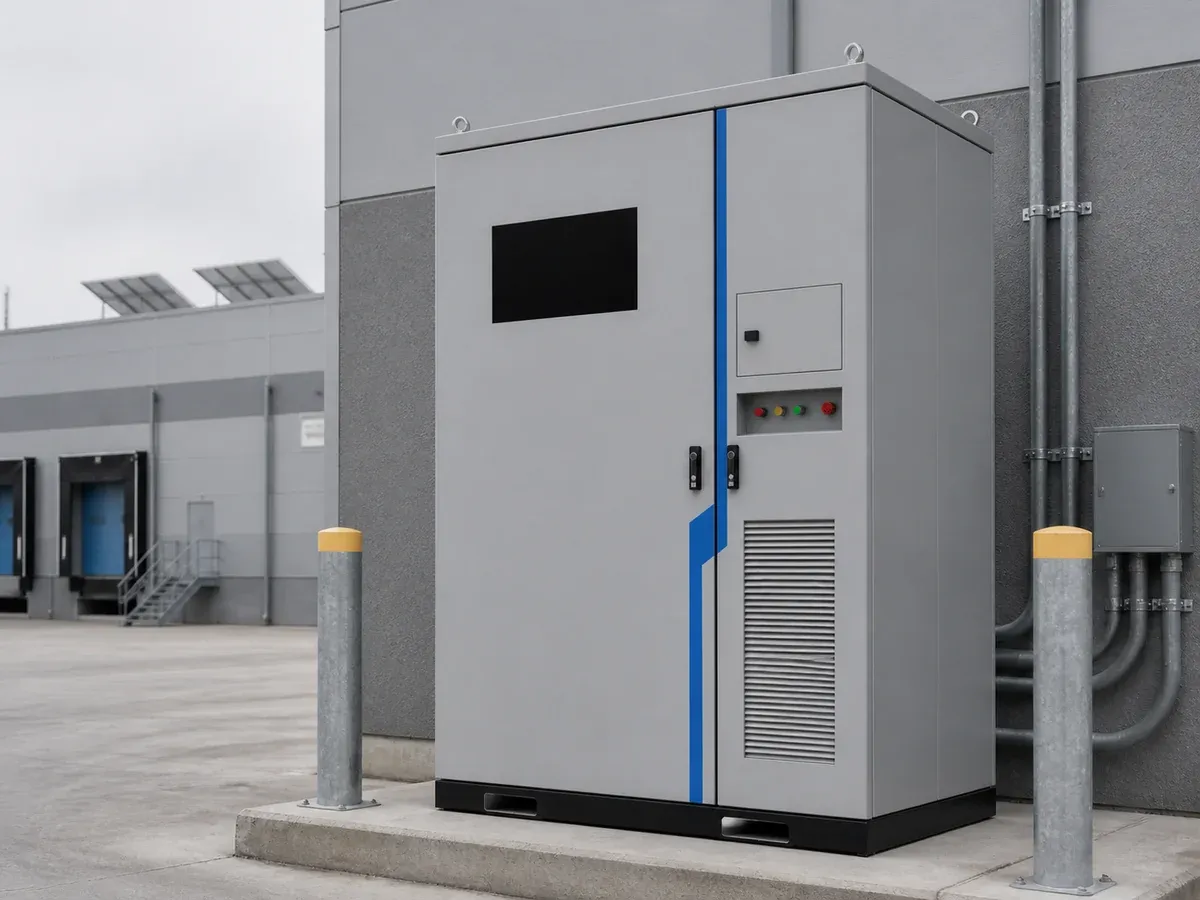
To size a commercial and industrial energy storage system, start with the application, operating and peak load, required power, target energy capacity or backup duration, AC voltage and phase, existing PV or generator, grid condition, installation environment, country and project timeline. Capacity is one part of the configuration; it cannot replace a review of the site's electrical and operating requirements.
This guide helps EPCs, system integrators, factories and commercial project buyers prepare a useful brief. It expands the questions a responsible supplier should ask before recommending equipment. Use the LinkPower C&I project page for the current configuration route. Final battery, PCS matching, controls, protection and site integration follow the confirmed project data rather than a fixed-capacity catalog recommendation.
Start With the Operating Objective
A request to “reduce the bill” or “provide backup” needs a more specific operating objective. Explain the problem, the equipment involved and the conditions under which the storage system should operate. A project can combine objectives, but the priorities and potential conflicts need to be stated before a configuration is selected.
- Peak shaving and demand management: identify when site demand peaks, how long those events last and how the applicable tariff measures demand.
- PV self-consumption: identify solar production, site consumption, surplus periods and any export constraints.
- Backup power: name the critical loads, acceptable interruption and required operating duration.
- Time-of-use shifting: provide the real tariff periods, operating schedule and charging opportunities.
- Weak-grid or microgrid support: describe grid interruptions, other power sources and the required operating modes.
These objectives lead to different operating strategies. Do not assume that a configuration optimized for one objective will meet every other requirement without additional review.
Understand the Difference Between kW and kWh
kW describes power: the rate at which the system charges or discharges and the load it needs to support. kWh describes stored energy. Both are required for a meaningful C&I proposal. A battery with sufficient energy may still lack the required discharge power; a system with sufficient power may not have enough usable energy for the requested duration.
State the required power and energy if they are already defined, and explain how those targets were established. Otherwise, send the load profile and operating objective so they can be reviewed. Do not silently replace missing load data with a familiar cabinet capacity or the size of the site's transformer.
Provide a Load Profile, Not Only Monthly Consumption
Send the finest reliable interval load data available, together with the period covered and the meter point it represents. Monthly consumption can describe total energy use, but it often hides when demand occurs and how long peaks last. The timing is essential when evaluating charging opportunities, discharge demand and the intended storage strategy.
Include weekday, weekend and seasonal operating patterns. Identify planned production changes, future equipment and known power-quality or outage events. Distinguish measured data from estimates. If information is incomplete, mark the gap clearly: a preliminary concept can identify further measurements, but it should not be presented as a final design.
Use the Actual Tariff and Connection Rules
For a bill-management objective, provide recent tariff documents and explain the applicable time-of-use periods, demand charges, export rules and relevant penalties or limits. Two sites with similar consumption can have different operating strategies because their tariffs and schedules differ.
A preliminary proposal should identify the tariff assumptions and data period it uses. Do not accept a generic savings percentage as a substitute for a site-based review. Equipment selection, operating constraints and any economic assessment need to use the actual project inputs; this guide does not promise a return or bill reduction.
Define Backup Duration Against Named Critical Loads
List the processes and equipment that must remain powered. Provide their operating demand, important startup conditions, acceptable interruption and required backup duration. Separate essential operations from loads that may be disconnected during an outage. “Whole-site backup” is not a complete specification without those priorities.
Runtime depends on the actual load, available energy, discharge capability, conversion losses, operating limits and selected system configuration. Motor starting, simultaneous operation and restart sequencing need engineering review where relevant. A nominal kWh label does not guarantee the required backup time or uninterrupted transfer behavior.
Confirm AC Voltage, Phase and the Connection Point
Provide the AC voltage and phase, available electrical drawings and intended point of connection. Explain the existing switchgear and relevant site constraints. The battery and power-conversion arrangement must fit the actual electrical system, not an assumed standard installation.
A single-line diagram helps establish the relationship between the grid, site loads, PV, generator and proposed storage system. Identify the protection, metering and control interfaces that need coordination. Final electrical design, installation and commissioning require qualified project review.
Explain How PV, Grid and Generator Will Operate Together
For solar-plus-storage projects, send installed or proposed PV capacity, inverter information, available production data, export limits and the desired charging strategy. Explain whether the battery should absorb surplus production, support later loads or provide backup. Not every unit of solar surplus can automatically be stored; site demand and operating constraints matter.
If a generator is present, provide its rating, controls and intended role during an interruption. State how the project expects charging, transfer and source coordination to operate. For weak-grid sites, describe the events and operating conditions that the storage system needs to address rather than using “microgrid” as a complete specification.
LinkPower reviews PCS matching, controls, communication, protection and source integration against the project. Compatibility with existing PV equipment or a generator is not automatic.
Document the Site and Installation Constraints
Provide the installation environment, available footprint, access route, lifting or handling constraints, cable-routing context and service access. Identify relevant local requirements and any known permitting or site restrictions. Include country and project timeline so the review has the correct operating and delivery context.
Photos are useful, but they do not replace drawings or a qualified site survey. Identify drainage, ventilation, noise or separation requirements where applicable. If future expansion is planned, state the intended later scope before the initial equipment arrangement is finalized.
C&I Sizing Data Checklist
| Information | What the project team should provide |
|---|---|
| Application | Operating objective, priorities and required modes. |
| Load | Interval data, meter point, peak demand and operating schedule. |
| Power and energy | Required kW and kWh if known, including the basis for those targets. |
| Backup | Critical-load list, interruption requirements and required duration. |
| Electrical system | AC voltage, phase, single-line diagram and proposed connection point. |
| PV, generator and grid | Equipment details, source roles, operating limits and grid condition. |
| Site | Layout, photos, environment, access and installation constraints. |
| Commercial context | Country, tariff documents where relevant, project stage and timeline. |
What a Useful Preliminary Proposal Should Explain
A useful proposal states the objective and data period, the loads included and excluded, the proposed operating strategy and the assumptions that still require confirmation. It identifies the electrical, site, documentation and integration checks needed before a final quotation. It should explain why the proposed power and energy scope suit the application.
Ask for clarification when a proposal jumps directly to a cabinet size or savings figure without showing its inputs. Reviewing product families is reasonable, but the final configuration should follow the project data. Reference equipment is not an automatic recommendation for every site.
C&I Sizing FAQ
Can I size storage from an electricity bill alone?
A bill can support an initial discussion, especially when it includes tariff and demand information. It normally cannot replace a load profile, critical-load definition and site review for final configuration.
Should I send kW or kWh?
Send both if they are defined, along with the supporting load and operating assumptions. If they are not yet defined, provide the application, load data and backup objective rather than inventing a capacity target.
Does an existing generator remove the need to define battery runtime?
No. Explain the intended generator role, transfer sequence and battery operating requirement. The required backup duration and source coordination still need to be reviewed against the project architecture.
What if the site data is incomplete?
Submit what is available and mark every unknown. The next step can identify missing measurements or documents. Final performance, configuration and quotation cannot responsibly be confirmed from unverified assumptions.
Submit Project Requirements for Configuration Review
Send your application, load, required power/energy, backup time, AC voltage, site and project timeline. Add phase, PV, generator, grid condition, drawings and tariff information where relevant. A structured brief helps the technical review progress toward a project-specific quotation.
Review the C&I sizing inputs, compare LinkPower energy storage product routes, or use the General RFQ if you need help identifying the appropriate inquiry path.