Aug 20, 2026C&I Energy Storage
Solar-Plus-Storage Commissioning Checklist for EPC Projects
A structured EPC checklist for commissioning solar-plus-storage systems, covering documentation, visual inspection, communications, functional tests and handover.
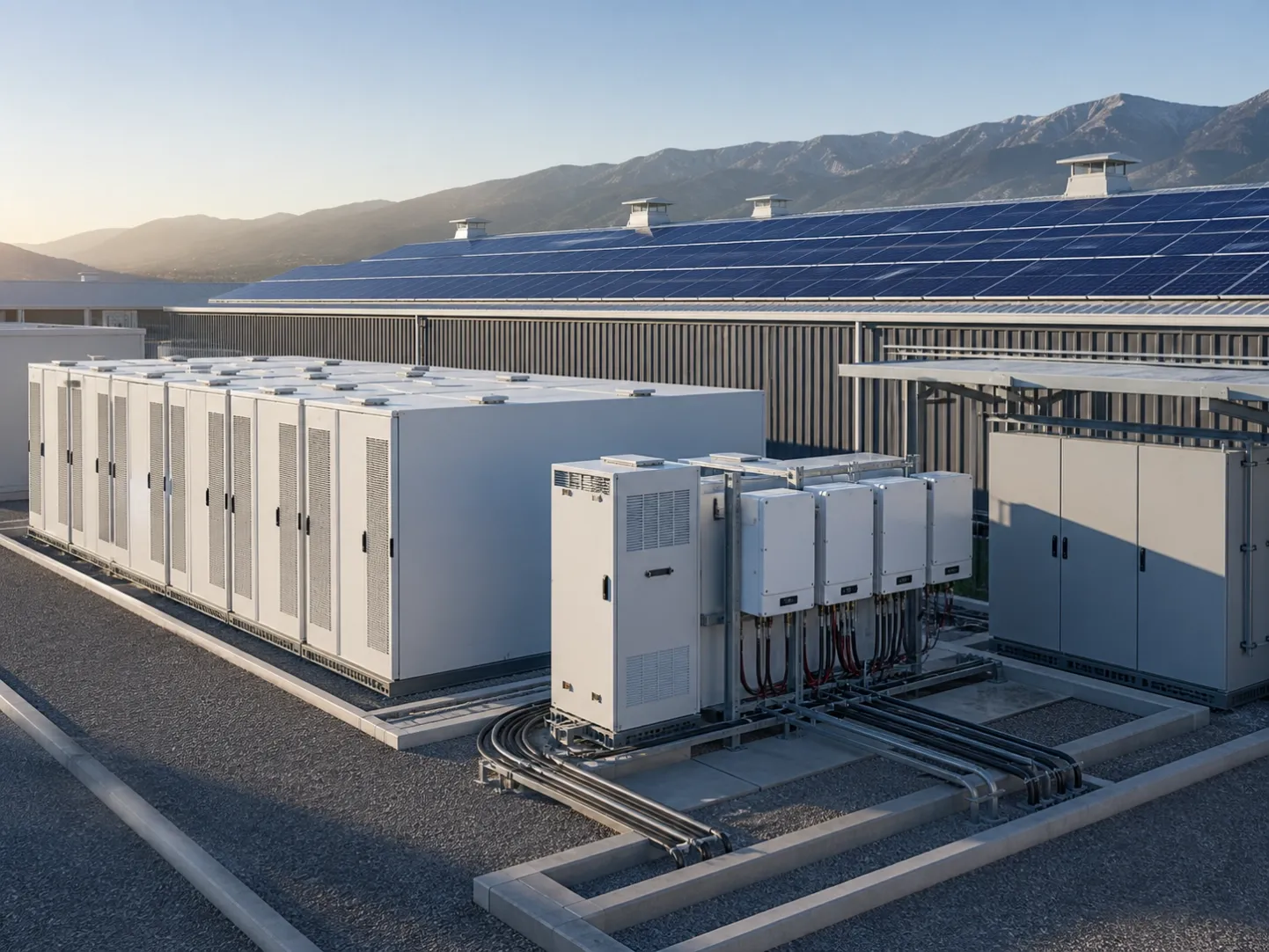
Commissioning is where a solar-plus-storage project moves from installed equipment to an operating system. For EPC teams, the process should prove that documentation, wiring, communications, protection, control logic, monitoring, and operator responsibilities are aligned. A structured checklist helps the team find issues before handover instead of during normal operation.
Commissioning begins before energization
The commissioning plan should be agreed before the site reaches final installation. Define the parties who can approve settings, authorize energization, witness tests, close punch-list items, and accept the system. The detailed procedure must follow the approved design, supplier manuals, project requirements, and local rules; this article provides a management framework rather than a substitute for project-specific instructions.
Commissioning phase checklist
- Document review: confirm approved design, settings, manuals, and test plan.
- Pre-energization: verify physical installation and readiness.
- Functional testing: prove controls, alarms, and operating modes.
- Handover: transfer an operable and supportable system.
- Early operation: review trend data and close remaining issues.
1. Freeze the approved document set
Before testing, confirm that the team is using the current single-line diagram, equipment list, network architecture, control narrative, protection settings, interface list, and commissioning procedure. Mark superseded revisions clearly. Settings should be approved by the responsible project engineer rather than copied from another site.
2. Complete the pre-energization inspection
Inspect equipment identification, mounting, access clearances, cable routing, terminations, grounding, labeling, weather protection, ventilation paths, and housekeeping. Check that shipping restraints and temporary protective materials have been removed as required. Open issues should be classified by risk and ownership, with a clear rule for which items must close before energization.
Pre-energization coordination questions
- Is each device identified consistently with the drawings?
- Are required inspections and test records complete?
- Are communication networks and time settings ready?
- Does the site have an approved emergency and isolation procedure?
- Who has authority to pause the test if conditions change?
3. Verify communications and monitoring
Solar-plus-storage operation depends on reliable data exchange between meters, inverters, the energy storage controller, plant monitoring, and any building or utility interface. Confirm device addresses, data scaling, timestamps, alarm mapping, user permissions, and loss-of-communication behavior. The dashboard should be compared with local measurements so operators can trust the information used for decisions.
4. Test functions in controlled stages
Follow the approved supplier and EPC procedure, beginning with safe, limited tests before moving to coordinated operation. Verify start and stop sequences, operating modes, set-point response, alarm handling, interlocks, recovery from permitted disturbances, and coordination between solar generation and storage. Record the initial condition, command, response, result, and witness for each test.
A test should not be marked complete only because equipment runs. It should demonstrate that the system responds as the approved control narrative describes and that unexpected conditions are handled safely.
5. Review performance without overpromising
Commissioning data should be interpreted against site conditions, measurement quality, agreed tolerances, and the exact test window. Avoid turning a short commissioning observation into a long-term performance claim. Instead, document what was measured, under which conditions, and which follow-up monitoring will be used during early operation.
6. Prepare the operator handover
Handover should include current drawings, manuals, settings backups, account ownership, alarm contacts, warranty process, spare-parts information, training records, open items, and a schedule for post-commissioning review. Operators should practice normal start-up and shutdown, alarm acknowledgement, escalation, and data export before the EPC team leaves the site.
Solar-plus-storage commissioning checklist
- Approved drawings, manuals, settings, and test plan available.
- Roles for energization, witnessing, approval, and safety assigned.
- Physical installation and labeling inspected.
- Communications, timestamps, permissions, and alarms verified.
- Operating modes and interlocks tested in controlled stages.
- Results recorded with conditions, evidence, and witnesses.
- Punch-list items assigned and tracked to closure.
- Operator training, settings backups, and final documents handed over.
Connect procurement and commissioning
Many commissioning problems originate in unclear procurement interfaces. Review our C&I specification-sheet guide and manufacturer evaluation checklist before finalizing equipment scope.
Plan your EPC project with LinkPower
Share the site architecture, solar interface, intended operating modes, communication requirements, and commissioning responsibilities early. Browse LinkPower solar and energy storage products or contact our B2B team to discuss a documentation-led project approach.