Sep 7, 2026Residential ESS
Which Home Circuits Should a Battery Back Up? An Essential-Load Panel Guide
Build a practical home battery backup-circuit list by separating must-run loads from high-demand appliances, startup loads and optional comforts.
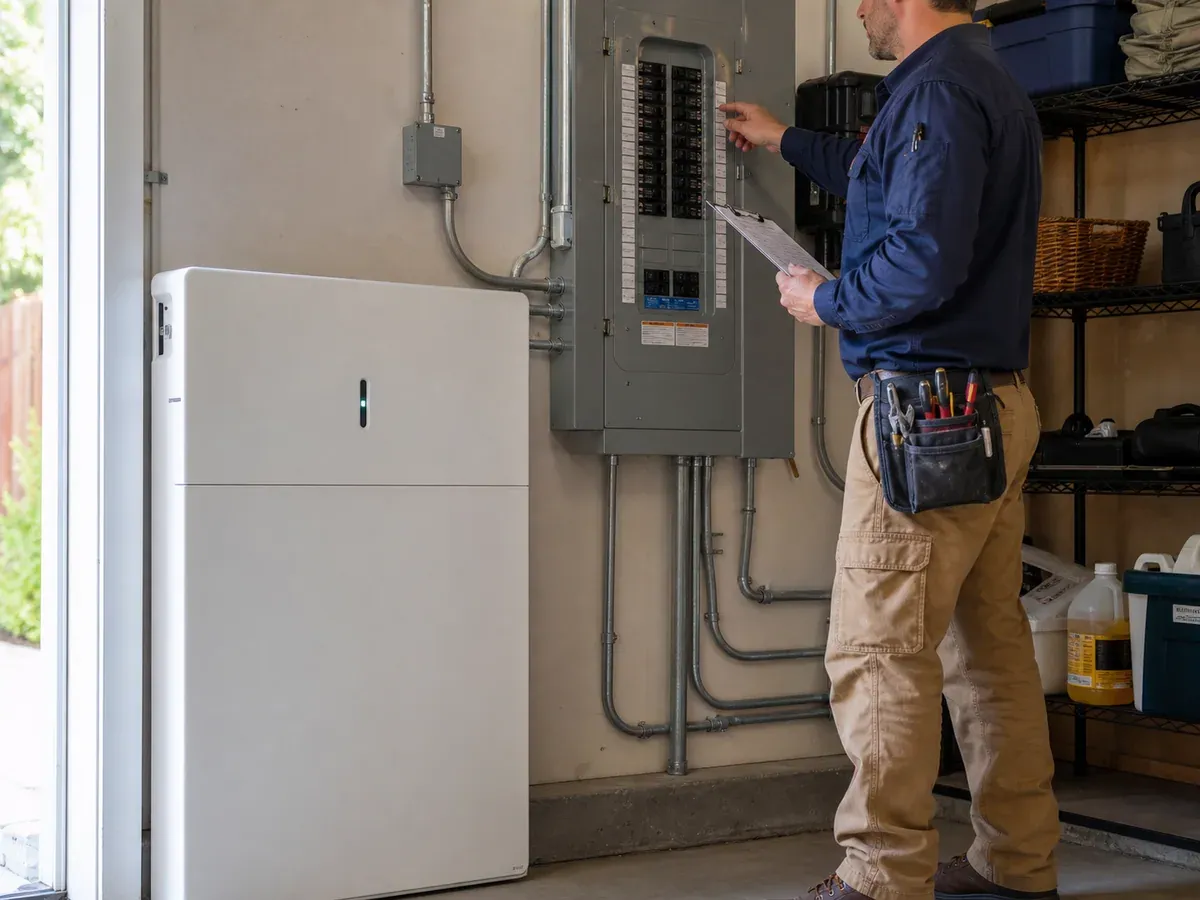
A home battery does not need to back up every circuit to be useful. In fact, asking it to support everything can be the fastest route to a larger quotation and a shorter backup window.
The practical approach is an essential-load panel: a selected group of circuits that stays available when the grid is down. The final design belongs to a qualified installer, but the homeowner should decide what truly matters before anybody starts moving breakers.
Begin with three lists
Must run
These are loads connected to safety, communication or basic household function. Common examples include selected lighting, internet equipment, refrigeration and a few useful outlets.
Should run
These improve comfort or work continuity but can be managed during a long outage: a home-office circuit, television, garage door or selected kitchen outlet.
Nice to have
This is where kettles, ovens, large air conditioners, electric heaters and other enthusiastic appliances often appear. They are not forbidden. They simply need a separate conversation about power, startup demand and energy use.
Energy and power are different questions
Battery capacity describes stored energy. The inverter rating describes how much power can be supplied at one time. A circuit list can look modest until two appliances start together.
For every proposed circuit, record:
• Normal running demand
• Startup or surge demand where relevant
• Expected operating hours
• Whether it cycles automatically
• Whether another backed-up load may run at the same time
Do not use the number printed on a breaker as the appliance's normal consumption. Measure the actual load or use verified equipment data.
Watch the invisible loads
Some circuits serve more equipment than the label suggests. “Kitchen outlets” may include a refrigerator, coffee machine and the blender that suddenly becomes essential during a storm. Trace the circuit before promising it backup power.
Automatic loads also matter. Pumps, freezers and ventilation equipment can start without asking permission. Their timing can overlap with other loads and change the peak demand.
A sensible selection exercise
- Walk through the house room by room.
- Mark the devices needed during the first hour of an outage.
- Add devices needed after four hours or overnight.
- Identify high-demand and motor loads.
- Confirm which devices share a circuit.
- Ask the installer to compare simultaneous demand with the current system data.
- Keep a reserve instead of designing to the last available watt-hour.
Plan for real people
A backup plan only works if the household understands it. Label the backed-up circuits and explain which appliances should stay off during an outage. A simple instruction near the distribution board can prevent the classic “Why did everything shut down when I used the kettle?” meeting.
What to send for a useful quotation
Provide a circuit schedule, appliance list, measured demand where available, photos of the distribution board, local voltage, outage duration and any loads that must never be interrupted.
Review the LinkPower 10kWh all-in-one home energy storage system:
https://www.linkpoweress.com/products/10kwh-all-in-one-home-energy-storage
Send LinkPower your circuit and load list for a project-specific discussion:
https://www.linkpoweress.com/contact-us