Sep 8, 2026Residential ESS
Can a Home Battery Run a Heat Pump? A Real-Load Checklist
Plan heat-pump backup by checking running load, startup demand, auxiliary heat, weather, inverter output and household priorities.
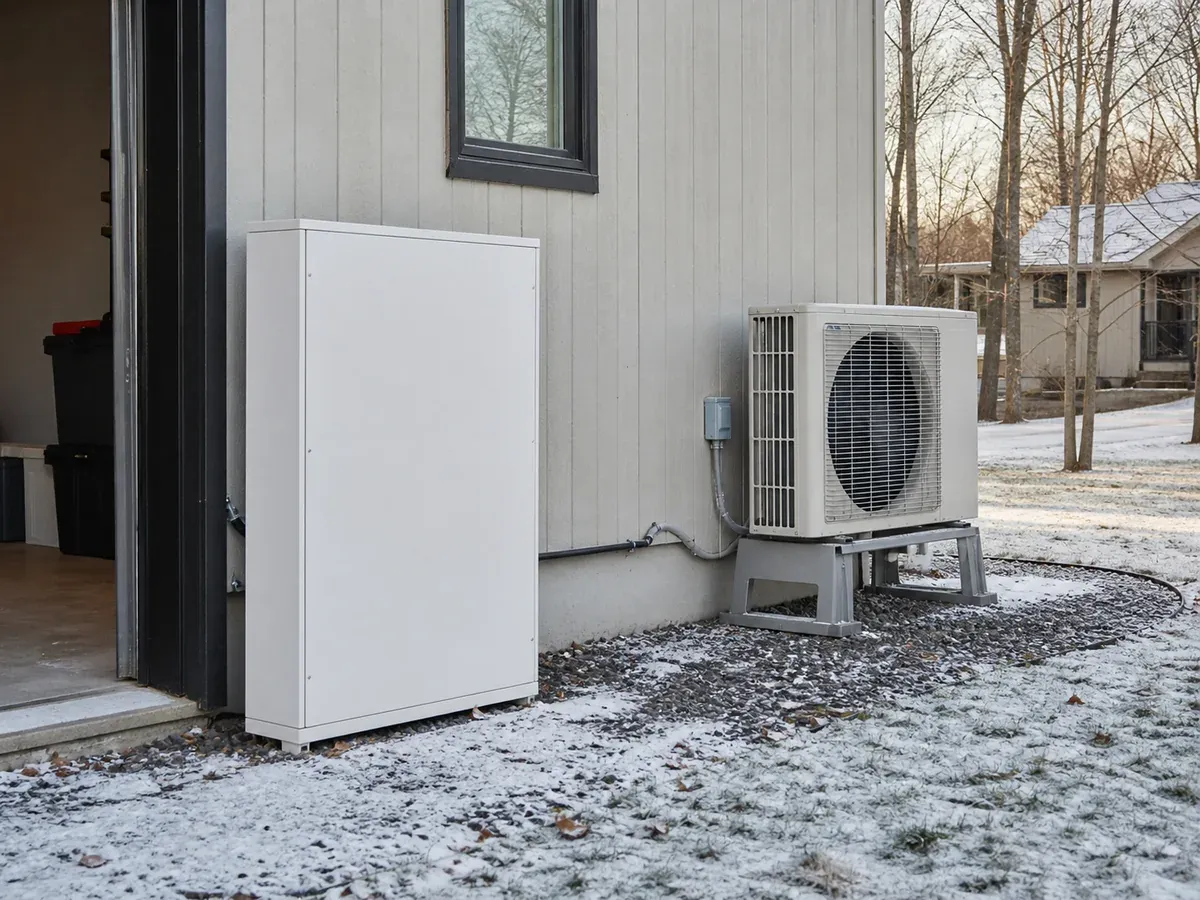
A heat pump looks innocent while it hums along. During a power cut, however, it can become the load that decides whether a home battery plan is sensible or merely optimistic.
The answer to “Can a battery run my heat pump?” is often yes, sometimes no, and never available from battery kWh alone.
Start with three different numbers
Running power is what the heat pump typically uses after it has started.
Startup demand is the short peak when a compressor or motor starts. Inverter-driven equipment may behave differently from older fixed-speed units.
Energy over time is the accumulated consumption across several hours. Cold or hot weather, thermostat settings, building insulation and defrost cycles can all change it.
A battery may have enough stored energy for the night but an inverter that cannot support the startup demand. The reverse is also possible.
Questions worth asking before sizing
- What is the exact heat pump model?
- Is it single-phase or three-phase?
- What do the manufacturer data and installer measurements show?
- Does the system use auxiliary electric resistance heat?
- Which other loads must run at the same time?
- Is the goal short comfort support or overnight heating?
- Can solar recharge the battery during the outage?
- What outdoor temperature should the plan cover?
That last question prevents a classic mistake: designing around a mild afternoon and expecting the same result on the coldest night.
A load-priority plan beats wishful thinking
A sensible outage plan usually separates loads into three groups.
Must run
Refrigeration, communications, necessary lighting and controls belong here. The household decides what is genuinely essential.
Run with conditions
The heat pump, well pump or cooking appliance may run only when other large loads are off. This is load management, not a product defect.
Pause during the outage
EV charging, electric dryers, pool heaters and other flexible loads can often wait. Every paused load preserves energy for the priorities.
What about auxiliary heat?
Some heat-pump systems use electric resistance backup in difficult conditions. That can create a much larger electrical demand than the compressor alone. Confirm how auxiliary heat is controlled and whether it should be excluded from battery backup.
Do not disable safety or comfort functions casually. The HVAC contractor and battery installer should agree on the operating plan.
Capacity choices in context
A compact system may support controls and selected household essentials while the heat pump remains off. Larger residential storage may support a heat pump for a limited window if inverter output, startup demand and total energy align.
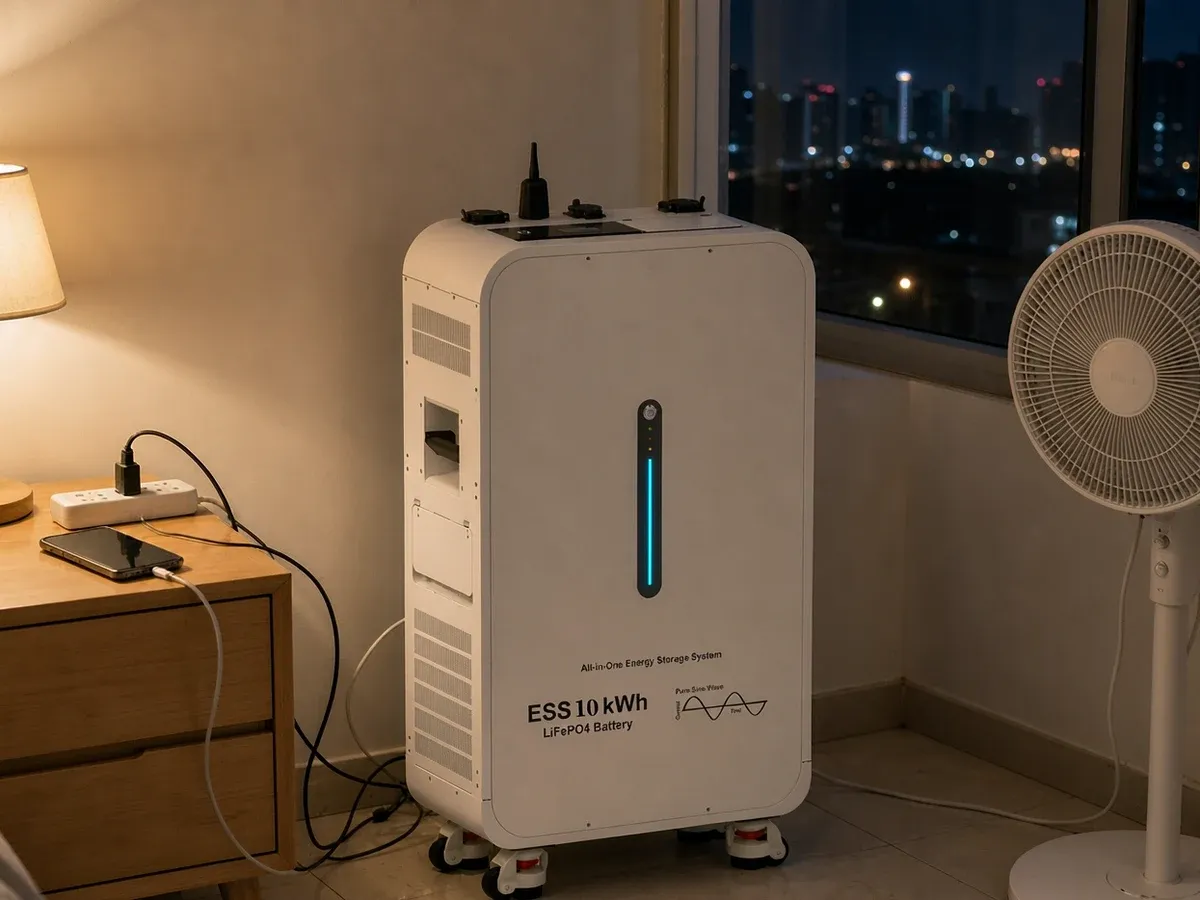
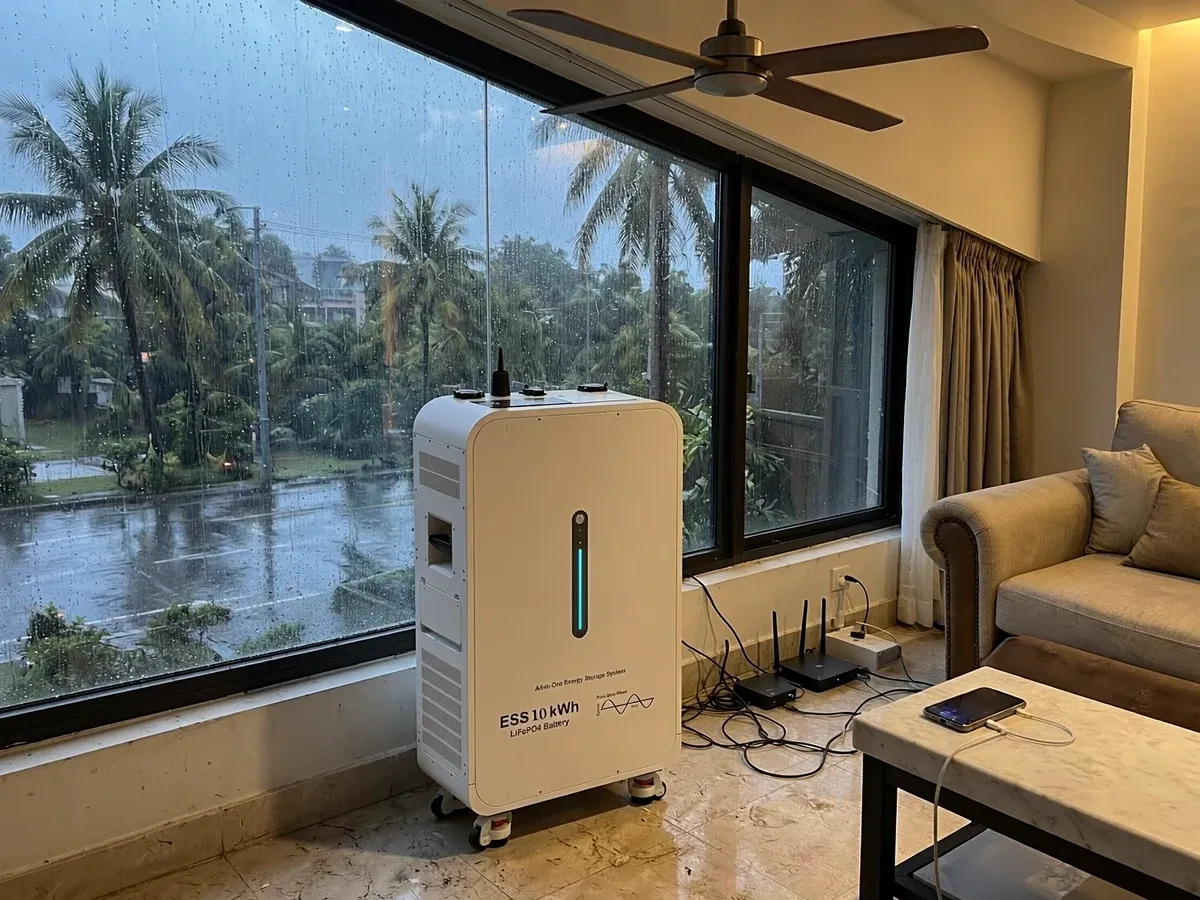
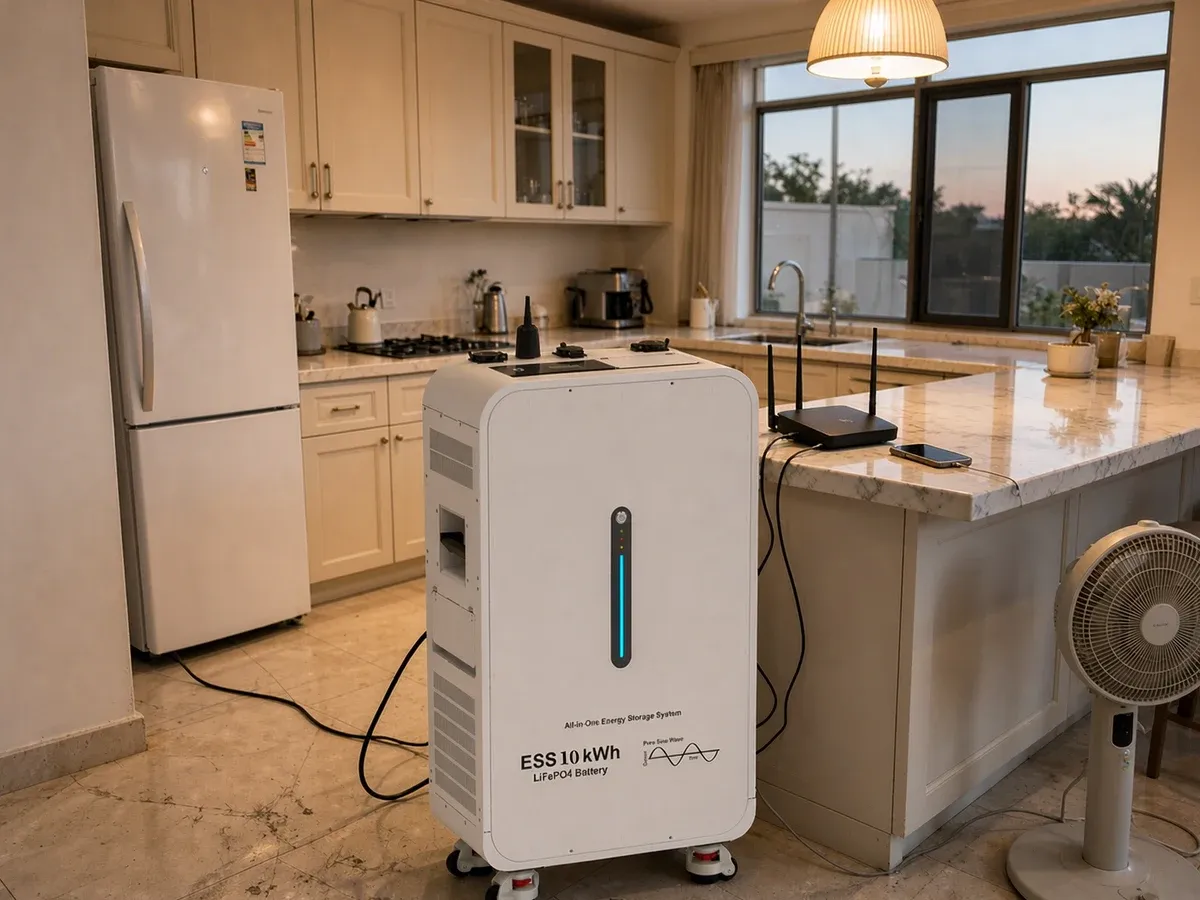
Review the LinkPower 10kWh and 16kWh residential directions, then request current technical data for the actual project:
https://www.linkpoweress.com/products/10kwh-all-in-one-home-energy-storagehttps://www.linkpoweress.com/products/16kwh-premium-energy-storage-for-villas
No responsible article can promise runtime without the load profile. A cold-climate home, a well-insulated villa and a tropical home with cooling demand are different projects.
What to send with your enquiry
Send the heat-pump model label, service phase and voltage, essential-load list, expected outage duration, local temperature range, solar status and one electricity bill if available. A short video or installer measurement of startup behavior can be even more useful.
LinkPower can then discuss battery capacity and inverter pairing around real loads rather than a heroic guess.