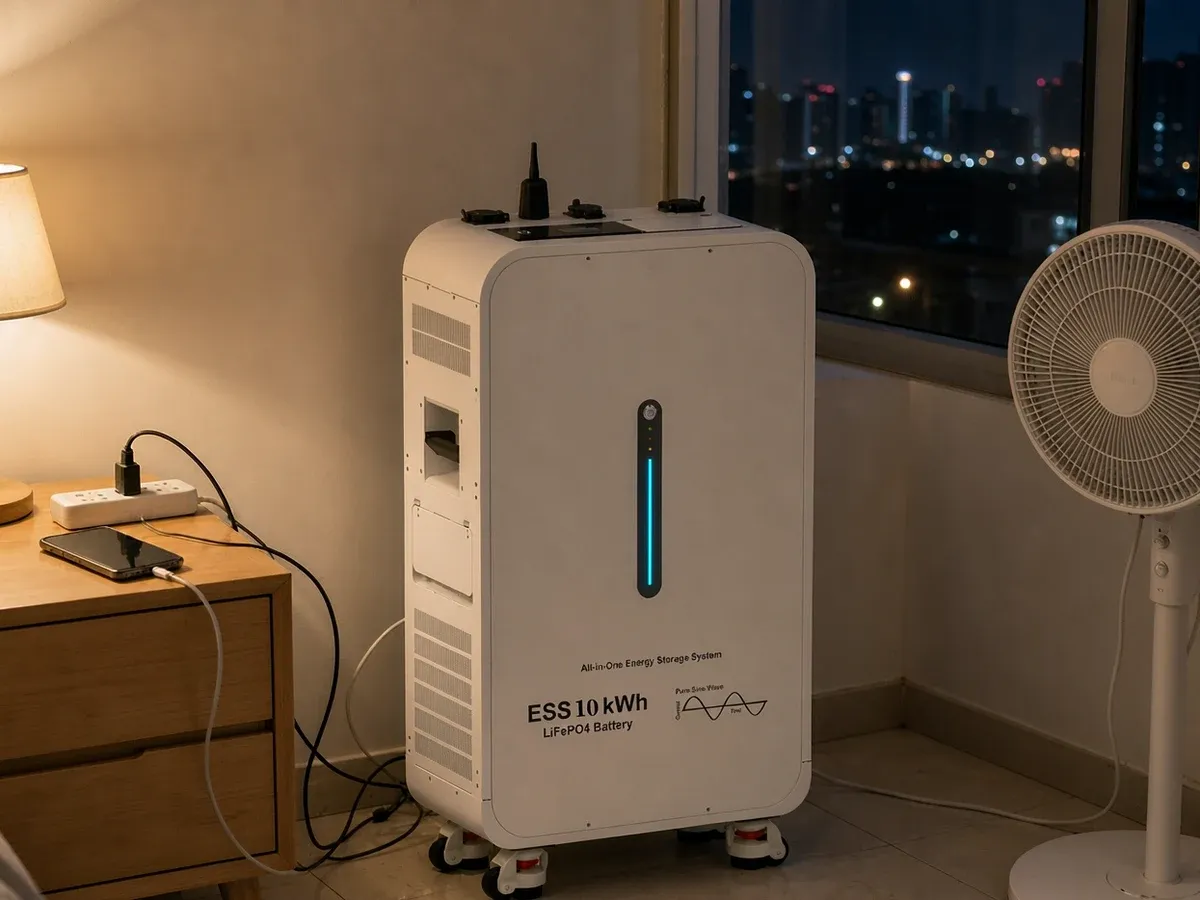
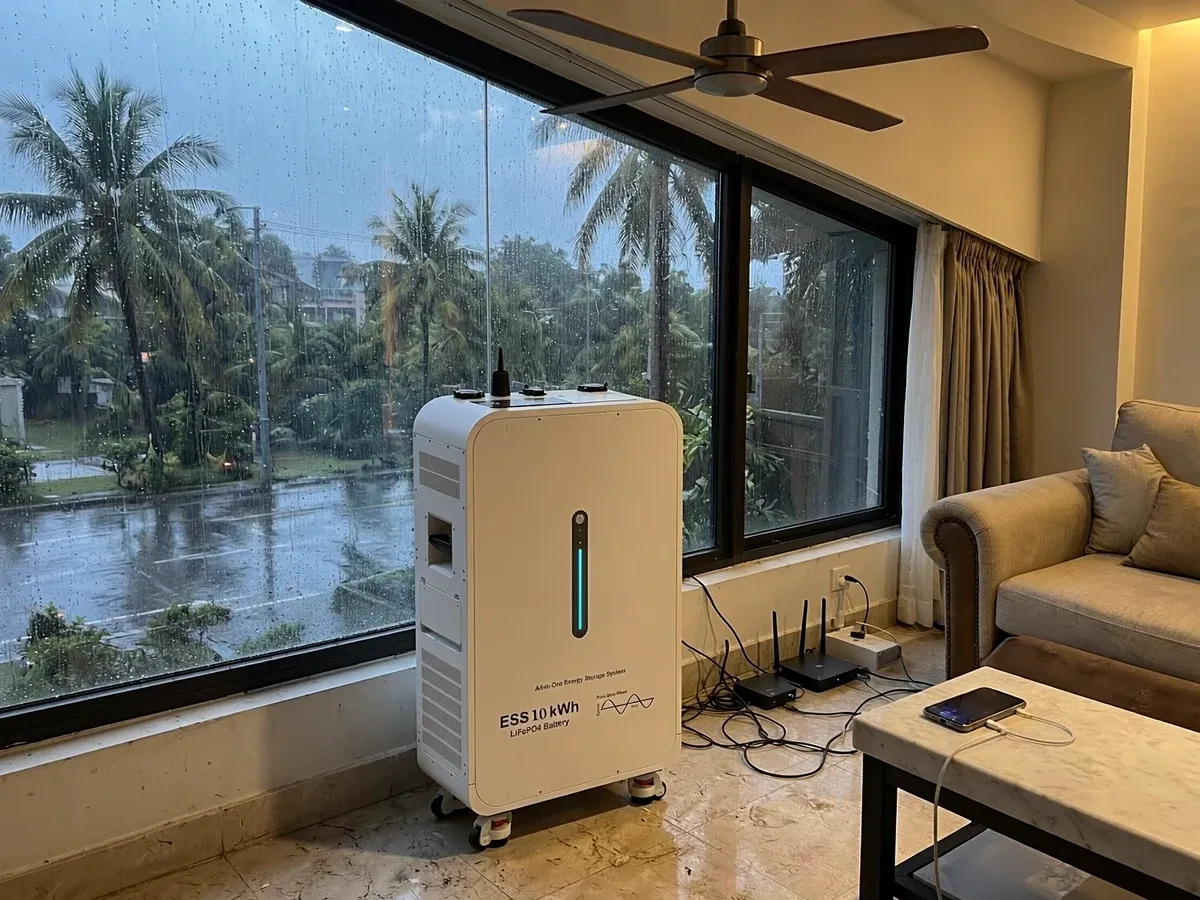
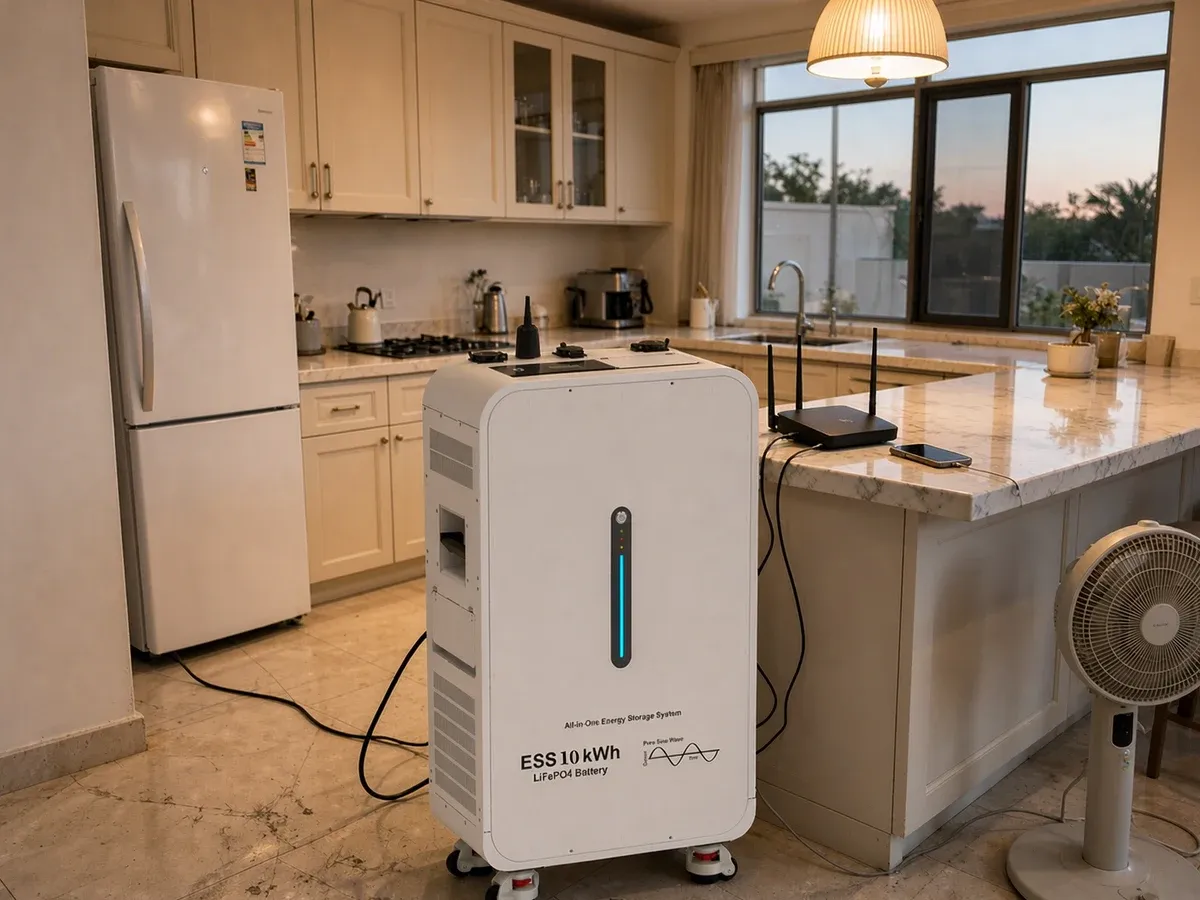
Aug 23, 2026Residential ESS
Is a 5kWh Home Battery Enough? A Load-First Guide
Is a 5kWh home battery enough? Learn how essential loads, startup demand, backup time and solar charging shape a practical system decision.
A 5kWh home battery can be a sensible fit for a small home, but the answer changes quickly once heating, cooling, pumps or cooking equipment enter the load list. The useful question is not “How many appliances can it run?” It is “Which circuits must stay on, and for how long?”
This guide shows a practical way to answer that question without turning a battery specification into a runtime promise.
Short answer: 5kWh works best for prioritised loads
For many small homes, a 5kWh-class battery is best treated as an essential-load system. It can support a planned group of circuits while larger or high-surge appliances remain off. Whether it is enough depends on usable battery energy, average demand, startup current, inverter limits and charging conditions.
Start with the load list. Choose the battery size second.
Five questions to answer first
- What must remain powered? List only essential circuits: refrigeration, lighting, internet, security, selected sockets and any critical medical or work equipment.
- What is the measured running load? Use appliance nameplates, a plug-in meter or monitoring data instead of generic internet estimates.
- Which devices have startup surges? Refrigerators, pumps, compressors and some power tools can demand more at startup than during normal operation.
- How long should backup last? A two-hour evening outage and overnight autonomy are different design targets.
- Will solar recharge the battery during the event? Solar can extend practical backup, but array voltage, weather and the system’s PV input window still have to match.
A simple runtime formula — without guessing
Estimated runtime = confirmed usable battery energy ÷ measured average load
Nominal capacity is not automatically the same as energy delivered to appliances. Confirm usable capacity, conversion losses, reserve settings and battery-management limits with the supplier before promising runtime to a customer.
A practical load-priority checklist
• Refrigeration: check running demand and compressor startup current.
• Lighting: count only the rooms that must remain lit.
• Internet and communications: measure the router, modem and network equipment together.
• Computers and small electronics: use the real combined load, not the device count.
• Pumps or motor loads: confirm startup surge and the control method.
• Air conditioning, electric heating and cooking: treat these as managed loads because demand can be high.
When a 5kWh battery is a good starting point
• The project has a clear essential-load panel.
• The home’s critical circuits have been measured.
• High-demand appliances can be scheduled or isolated.
• Backup duration is defined instead of assumed.
• The solar array and PV input window can be checked before installation.
When to consider more capacity
Move beyond 5kWh when the customer expects whole-home operation, long overnight backup, frequent motor loads or heavy heating and cooling use. The decision should follow measured demand and local outage patterns, not a capacity label alone.
For a broader size comparison, read: https://www.linkpoweress.com/posts/choose-5kwh-10kwh-16kwh-home-energy-storage
Two 5kWh formats, two different project needs
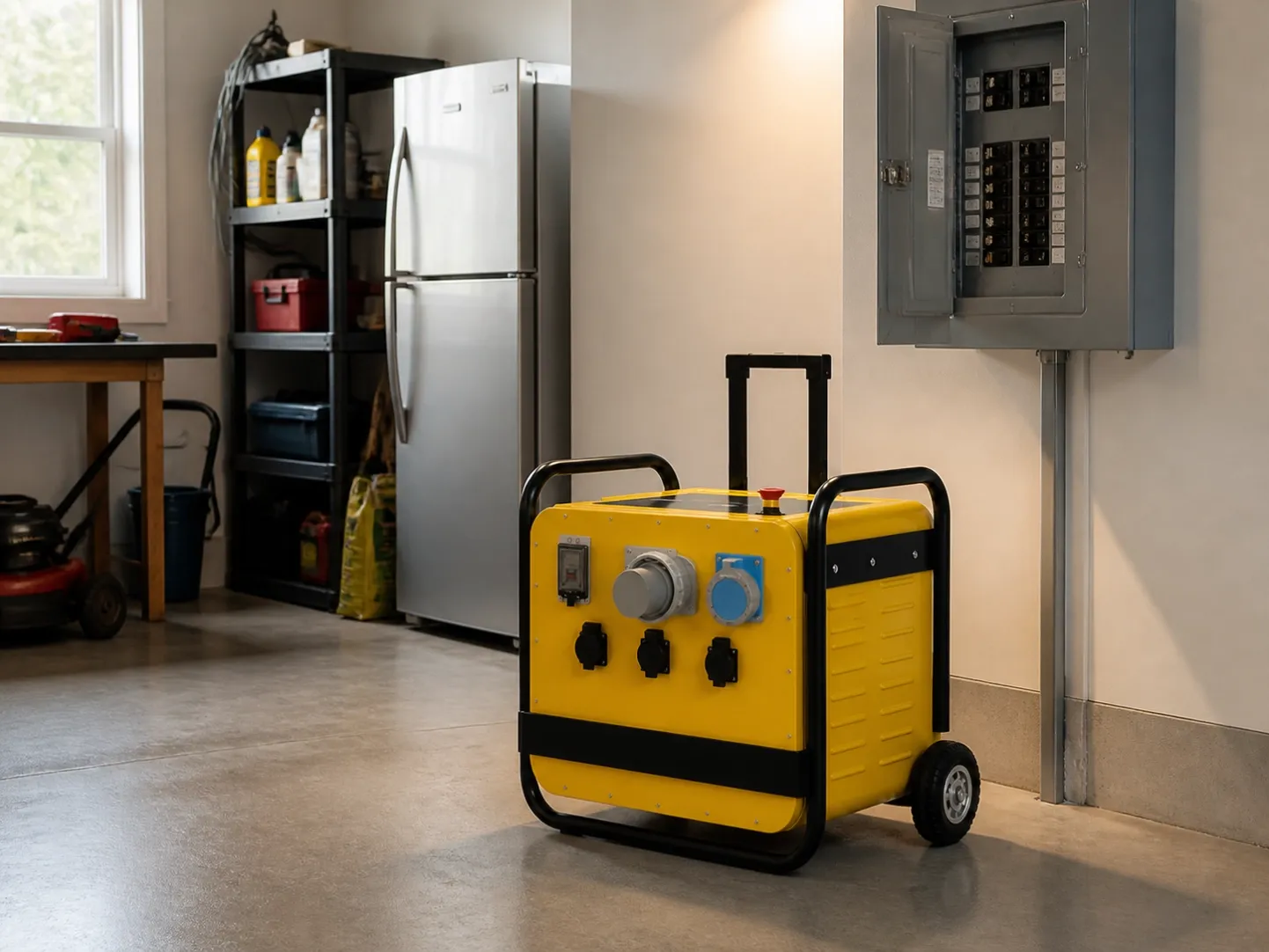
LinkPower currently offers a fixed all-in-one residential format and a yellow mobile format with a protective wheeled frame. The fixed residential system suits planned home installations:
https://www.linkpoweress.com/products/5kwh-residential-battery-backup-system
The yellow 5.12kWh mobile system is intended for projects where repositioning and industrial connectors are part of the brief:
https://www.linkpoweress.com/products/yellow-5kwh-mobile-all-in-one-lifepo4-energy-storage
Before you request a quote
• Send the essential-load list and measured wattage.
• Note any motor or compressor startup demand.
• State the required backup duration.
• Provide local AC voltage and frequency.
• Provide the solar-array voltage and current if PV charging is required.
• Confirm installation location, weather exposure and delivery destination.
With those details, LinkPower can match the project to the right 5kWh configuration without turning missing information into a sales claim. Browse the product range at https://www.linkpoweress.com/products or send the project brief at https://www.linkpoweress.com/contact-us.